Can Someone Live in a Garden Annexe?
Occupation is a continuing use, so a lawfully built annexe can drift into unauthorised development years later without anybody building anything.
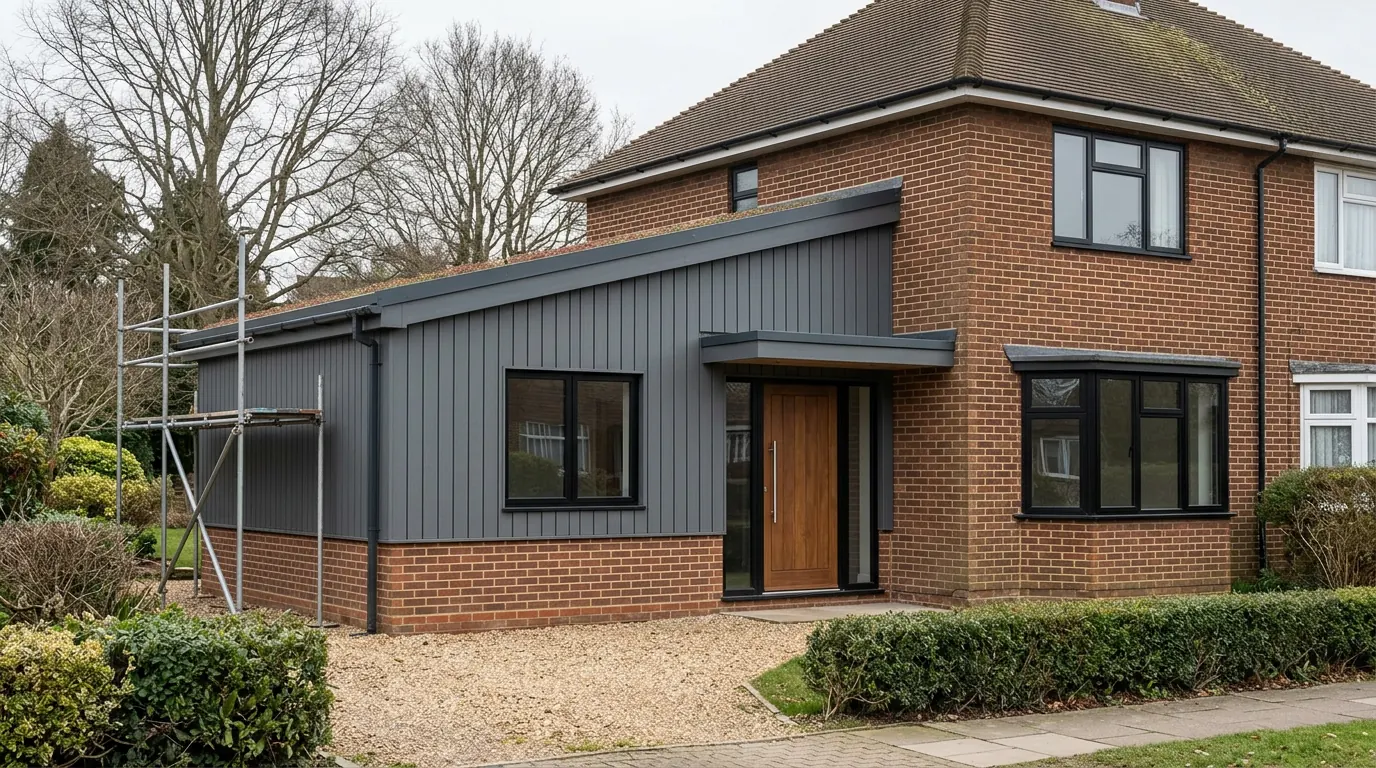
Yes, but only as part of your household. A garden annexe may be lived in for as long as its use stays ancillary to the main house, and the day it functions as an independent dwelling that is a material change of use needing its own planning permission, which the permission to build it did not grant. Most annexe permissions carry a condition saying exactly that, and since 25 April 2024 a breach can be enforced against in England for ten years. Council tax is decided separately by the Valuation Office Agency on whether the accommodation has been constructed or adapted as separate living accommodation, so an annexe that is firmly ancillary in planning terms can still be banded and billed on its own.
Yes, but only as part of your household. The day the accommodation starts functioning as an independent dwelling rather than as part of yours, that is a material change of use in its own right, and whatever permission put the building there did not grant it.
So this is not really a question about who. It is a question about how the space is used, and the answer can change years after the annexe is finished without anybody building anything.
It is the use that has to stay lawful, not the building
A building gets built once. A use carries on, and it has to stay inside the permission for as long as it does.
Putting up an annexe is an operation: do it lawfully and it is done. Occupying it is different, because occupation continues, and a use that drifts outside what was permitted becomes unauthorised development on a day when nothing was constructed. An ancillary annexe that quietly becomes a self-contained let flat is the standard example.
People go looking for this in the wrong place. A house and a new dwelling sit in the same use class, so nothing here is a change of use class and the Use Classes Order will not help. The Act deals with it directly: using a building previously occupied as one dwelling as two or more separate dwellings is a material change of use of the building and of each part of it. The change is in the number of planning units, not in the label.
Who may live there
The relationship is evidence. It has never been the test.
A parent, an adult child, a live-in carer, an au pair or a long-staying guest can all occupy an ancillary annexe, because what a council asks is whether the accommodation functions as part of your household rather than who is asleep in it. A dependent relative is the easiest case to argue and the commonest reason permission is granted at all. It is still not a trump card, and “it is only my mother” is not on its own an answer.
Where it stops is occupation on independent terms: a tenancy, an entrance the occupant uses with no reason ever to walk through yours, separate bills, a separate postal address. The features that push a proposal one way or the other are set out on our annexe extensions page, and they are weighed together rather than counted.
Read your own condition before you read anything else
If the annexe was consented, the answer for your address is already written down.
Most annexe permissions carry a condition restricting occupation. The wording varies and the effect is consistent: not to be occupied as a separate independent dwelling, to remain ancillary to the main house, and not to be sold or let separately. Some go further and tie occupation to a family member, or in stricter cases to a named person. That sentence on your decision notice beats any general rule, including this page. Whether it can be varied later is covered in our guide to planning conditions.
Two things make breaching one worse than it used to be. The council can serve a breach of condition notice, which carries no right of appeal to the Planning Inspectorate. And since 25 April 2024 the enforcement time limit in England is ten years for breaches of every kind. Occupying an annexe as a separate dwelling was the classic four-year case, so the old assumption that an unauthorised use quietly ages out no longer holds for anything recent. What enforcement actually looks like is worth reading before relying on the passage of time.
Council tax runs on a completely different test
Two bodies, two questions, and they regularly give different answers about the same building.
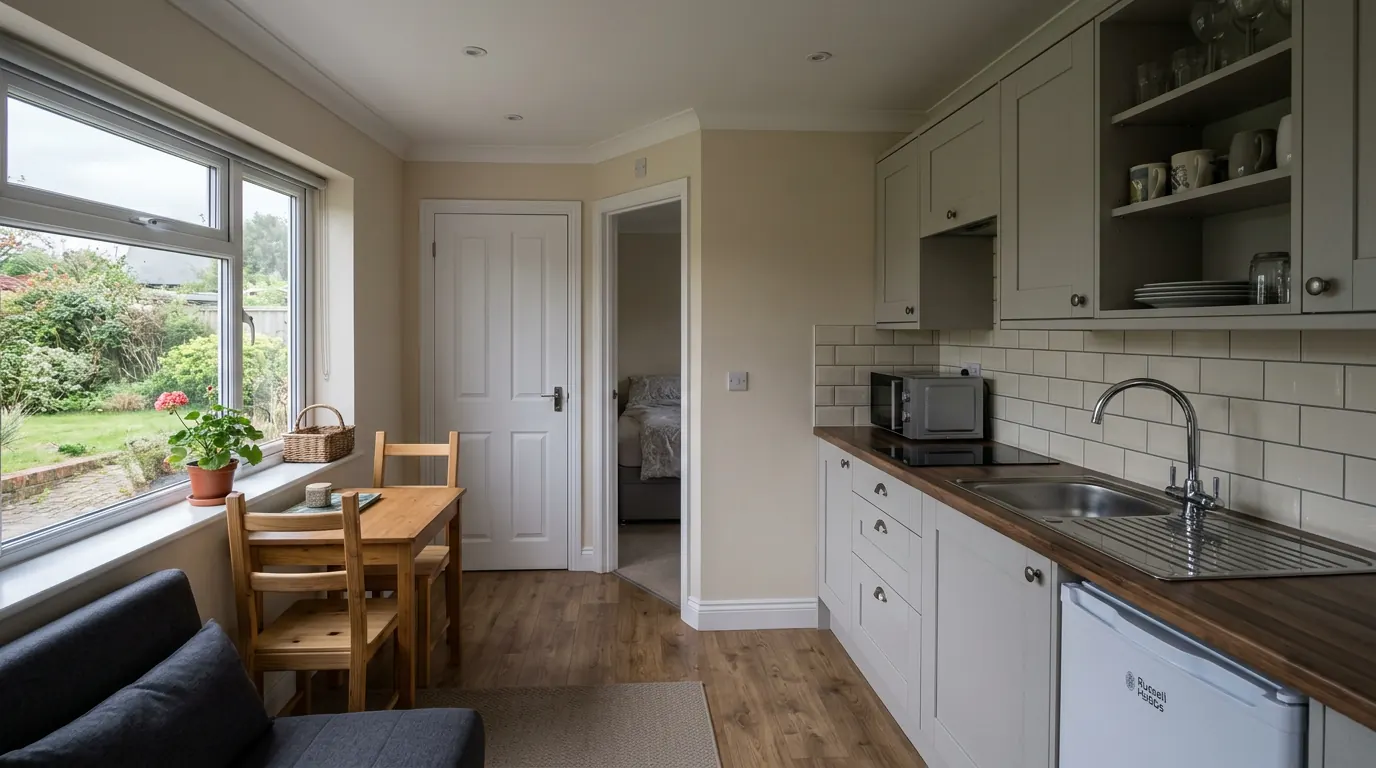
The Valuation Office Agency, not the council, decides whether an annexe is a separate dwelling for council tax, and it decides it on physical characteristics: whether the accommodation has been constructed or adapted for use as separate living accommodation. That test takes no account of your planning permission or of who lives there. An annexe that is firmly ancillary in planning terms can therefore be banded separately and generate a second bill.
| The question | Planning | Council tax |
|---|---|---|
| Who decides | The council | The Valuation Office Agency |
| What is tested | How the accommodation is used | How it is built or adapted |
| Who lives there | Evidence, never the test | Takes no account of it |
| Your occupancy condition | Beats any general rule | Takes no account of it |
Reliefs exist and every one of them has to be claimed rather than applied automatically:
- A 50% discount on the annexe where it is occupied by a relative of the person liable for council tax on the main dwelling, or where it is used as part of the main home.
- Full exemption where the occupant is a dependent relative, meaning a relative aged 65 or over, or one who is substantially and permanently disabled, or severely mentally impaired.
- Exemption for an empty annexe that cannot be let separately from the main house without breaching planning control, which is the case in which the planning condition earns its keep twice over.
Speak to Colchester City Council and to the Valuation Office Agency while the annexe is still a drawing. This is far better established in advance than received as a letter after completion.
If a levy applies, letting it is a disqualifying event
Where a Community Infrastructure Levy is charged and the annexe is consented as a new dwelling, an exemption exists for a residential annexe within the curtilage of a house the claimant owns and occupies as their sole or main residence. It has to be claimed in writing and granted before work starts. It is then withdrawn if, within three years, the annexe is let, the main house is used as anything other than a single dwelling, or one of the two is sold without the other.
That last sentence is worth reading twice, because letting the annexe out later is precisely the plan a good many people are carrying quietly in the back of their mind.
If you actually want to let it, ask for that
A separate dwelling is a different application, judged as a new house against policy on density, garden land, parking and access, and on a suburban plot it is a materially harder case. If it succeeds you are a landlord, which brings an energy performance certificate, a protected deposit, gas and electrical safety checks on the required cycle, and interlinked alarms. It also raises the Building Regulations standard, since a new dwelling faces tougher fire separation, sound insulation and energy requirements than an extension does.
The practical answer
Find the decision notice and read the condition. If the wording does not match what you intend, deal with it while it is still a planning question and not after somebody has signed a tenancy. Whether you can build one at all is answered separately on our page about planning permission for an annexe.
Occupancy conditions, council tax treatment and levy rules all vary by authority and change over time. Treat this as an explanation of how the system works and check the position for your own address.
Last reviewed August 2026.
Thinking about the job itself?
Most people who call us already have drawings and permission and want a builder to price the work and build it. Either way the survey and the written quotation cost nothing.